Quality Assured, Industry-Proven, and Ready for You
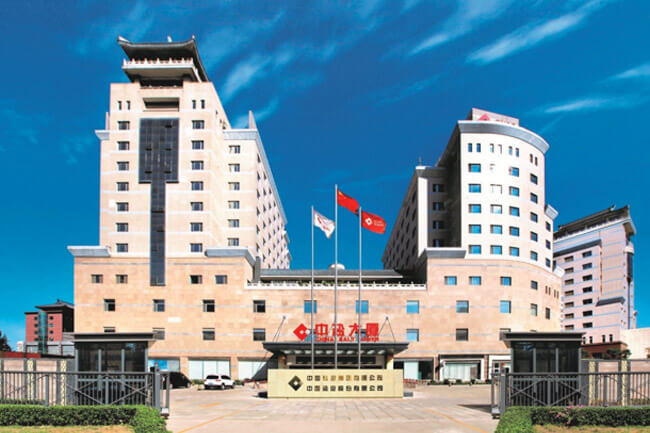
Our products meet international quality standards with rigorous testing and certification processes.
Continuous innovation drives our product development, ensuring cutting-edge chemical solutions.
Our skilled professionals provide technical expertise and personalized support for every client.
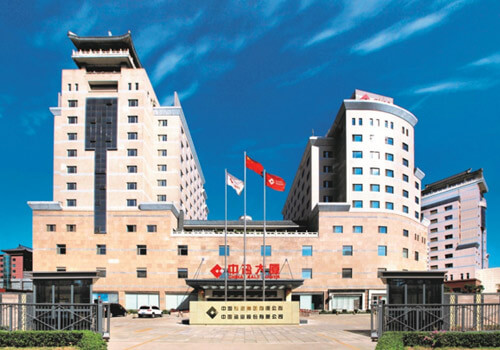
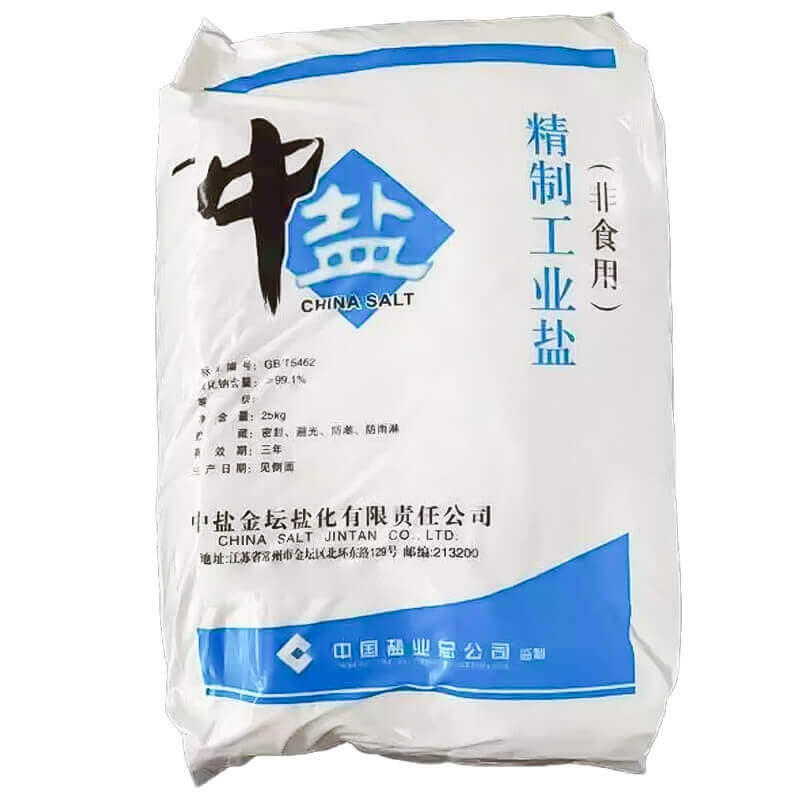
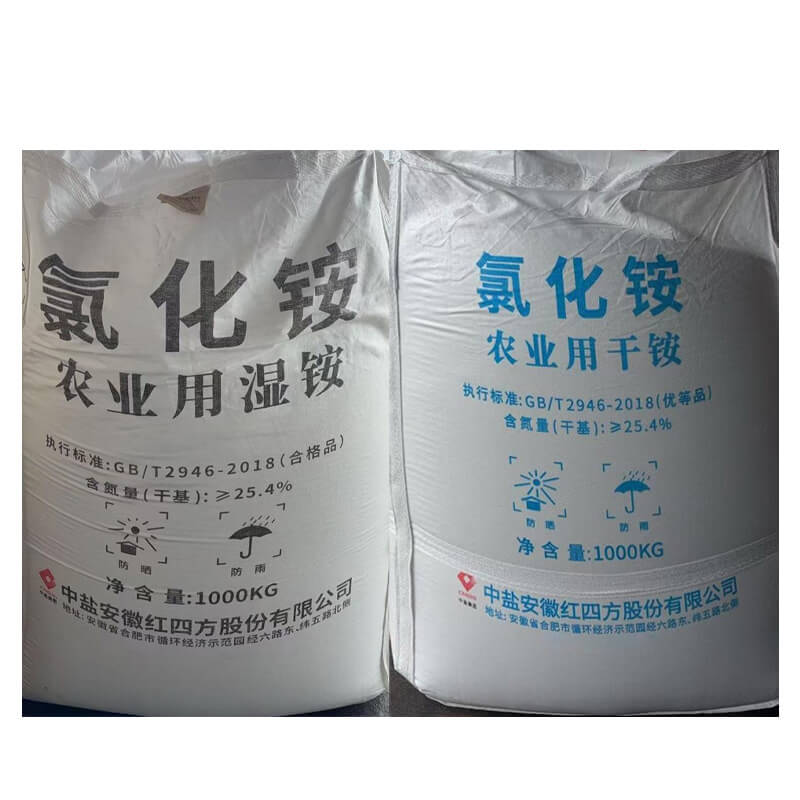
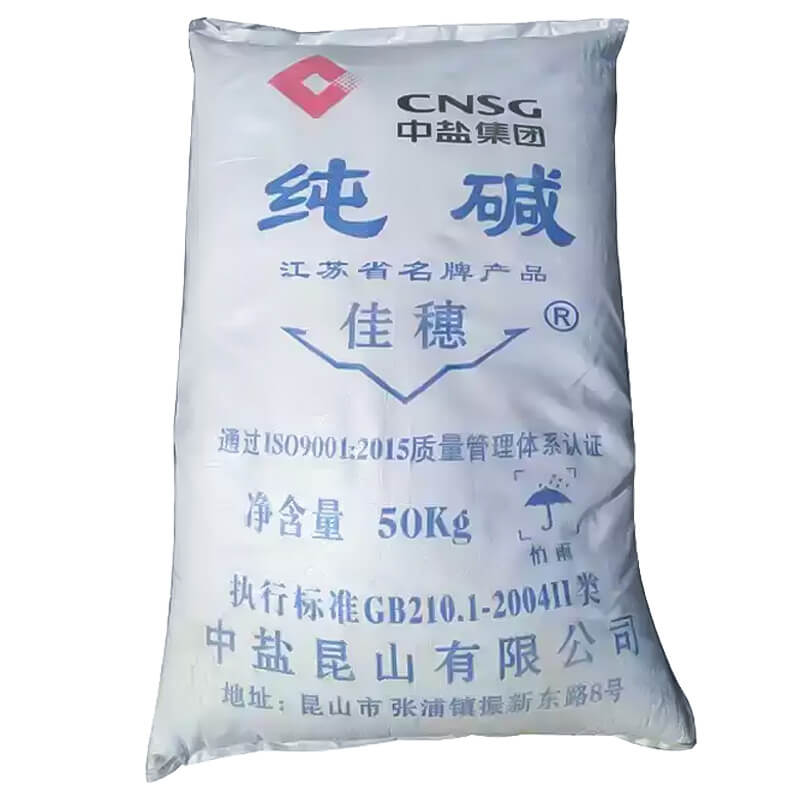
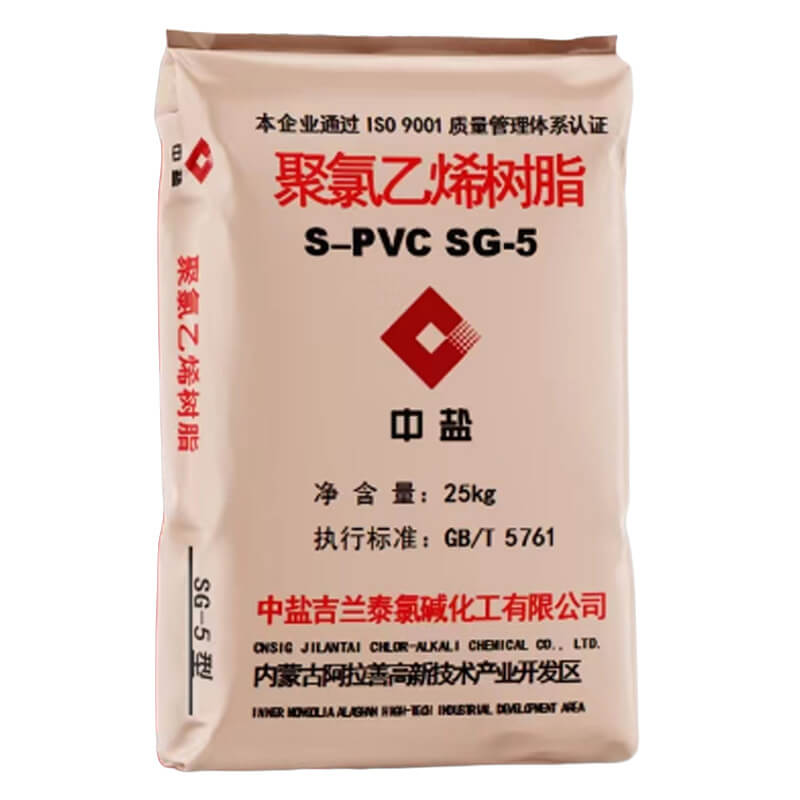
China National Salt Industry Co., Ltd. drives much of the nation’s salt supply from the front lines of production. Operating large-scale brine fields, evaporation ponds, and modern refineries is never just about mechanical output; it’s a story of agricultural logistics, regulatory adaptation, and effective workforce management. Managing salt resources across diverse regions, we encounter varying climates and raw material qualities day in and day out. Each year, extreme weather swings and tighter quality controls change everything from drying rates to storage protocols. Reliable supply in this climate can only come through relentless investment in asset maintenance, regular equipment upgrades, and close attention to local conditions. Salt, as a chemical feedstock, never stays in just one sector. Our refined sodium chloride shapes downstream chemicals, pharmaceuticals, plastics, and water treatments while also hitting dinner tables in every city. The responsibility is not a slogan on a website; it shows up when systems break and raw demand jumps. Diet trends and food safety have raised consumer expectations about purity, trace minerals, and traceability. Meeting these calls for deep investment in purification technology and analytical labs. Salt producers who focus only on bulk output risk missing the mark on new standards, and falling behind on societal trust. Over decades of regional quotas and price frameworks, the national salt market built habits some now call outdated. As privatization discussions and deregulation took root, routine practices had to give way to sharper accountabilities and stronger compliance. In the chemicals sector, authorities scrutinize every facet of the production cycle, pushing for traceable records and minimized contaminant footprints. It isn’t rare for officials to check not only finished product assays but even water sources and maintenance logs. Many times, a thorough paper trail distinguishes operational reputations. Beyond state planning, rising energy costs shift financial logic for each ton we move. For every round of fuel price adjustments or restrictions on coal handling, our teams must revisit drying schedules, haulage contracts, and facility retrofits. The scale of these impacts runs far deeper than conventional market commentaries reveal – every hour spent waiting for raw brine impacts month-end contracts or export windows. Firms lacking contingency stock or logistics relationships scramble in these jams; long-term players who built partnership networks between tank trucks, regional depots, and rail yards gain flexibility when disruptions hit. For many outside China, salt conjures simple tableware. Within the chemical and industrial landscape, its role sprawls much wider. De-icing, textile dye processes, and oil drilling all converge on our production line. International demand, notably from Southeast Asia and Africa, brings exposure to global logistics, currency swings, and evolving technical certification. Maintaining export readiness in such an environment never means relying on old paperwork or standards forever. Customers expect consistent granule size, specific anti-caking agent content, or assured low heavy metal concentrations – these requirements are spelled out in every new contract. Rising green policies also mean tracking not only the carbon spent in our factories but in freight and packaging as well. Committing to improved emissions controls and water management costs real money up front, though market access grows for those who pass these gates. Operating a production footprint at our scale exposes us to multiple shocks, both technical and human. Skilled labor recruitment grows tight as younger engineers chase tech jobs in megacities; we counter this by sponsoring training at vocational institutes and offering local career paths that emphasize safety and advancement. Salinity management, sludge handling, and corrosion are daily engineering hurdles. Given the scale of crystalline salt harvest and mechanical conveyance, breakdowns can halt hundreds of tons per hour. Instead of chasing after every new gadget, we balance legacy and innovation, retrofitting mature lines with targeted automation—a more sustainable approach than wholesale plant rebuilds. Supply interruptions during the pandemic drove home the value of inventory planning and the need to cultivate multiple supplier relationships for both reagents and spare parts. Digital monitoring now enables swifter troubleshooting and predictive maintenance, which sharpens our ability to minimize downtimes. Public trust rests on our assurance that batch after batch meets food, feed, and industrial grade expectations. China National Salt Industry keeps rigorous lab schedules, cross-verifies results between in-house and third-party labs, and certifies batches to meet evolving domestic and export requirements. Flawed batches are never recycled into the mainstream—a policy enforced at senior management levels, driven not just by risk avoidance but by the need to retain buyer confidence. Misinformation about salt adulteration or heavy metal taint can ripple through retail, threatening even compliant shipments. In such moments, fast, data-driven transparency and direct outreach to trade partners become our main shields. Looking forward, capital outlays in desalination, advanced ion-exchange processes, and solar evaporation optimization will define leadership within this market. Global consumers prefer value-added variants—lower-sodium blends, minerals-enriched varieties, and specialty salts for biotech or water treatment. Production systems geared toward raw tonnage alone will not meet next-decade demands. Maintaining clean water inputs, closed-loop waste cycles, and modular upgrades in processing lines will streamline compliance and cost containment, reshaping how China National Salt Industry serves both large and niche market demands. Investments in workforce expertise and stakeholder engagement ensure the company grows not just as a bulk commodity supplier but as a provider of consistent, trustworthy, and safer materials tuned to the realities of modern application and regulation. CONTACT INFORMATIONWebsite:https://www.china-saltchem.com/Phone:+8615365186327Email:sales3@liwei-chem.com
Read More
As a chemical manufacturer, we’ve watched developments at China National Salt Industry Group Co., Ltd. (CNSIG) with attention and more than a hint of hard-earned perspective. Salt, at first glance, looks simple. On factory floors and in our hands, it’s a staple – bulk bags stacked high, transport trucks heading to food processors, feed suppliers, and industrial clients. Yet the salt business in China tells a story of scale, state control, price management, and a web of downstream industries relying on it for daily continuity. CNSIG is more than just a supplier; its output and policy choices shape the pace and direction of the domestic chemical chain in ways few raw materials do.Each year, our own procurement budgets feel the ripple effect from CNSIG’s production quotas and pricing decisions. Salt in China isn’t just table seasoning. Every batch of caustic soda, chlorine, PVC, detergents, dyes, and synthetic fibers starts its journey with sodium chloride. The impact of the state-run monopoly came into sharper focus during policy shifts or supply chain glitches. Whenever CNSIG announced limits or restructured supply models, we saw effects not only on price but also on project timelines and overall operating costs across chemical manufacturing sectors. This organizational control over a base chemical also thins out bargaining options for downstream buyers. In practical terms, producers like us build budgets around CNSIG’s annual output and benchmark prices. When fines or adjustments dissuaded private production, we braced for tightening inventories and the accompanying phone calls from customers worrying about raw material surcharges.For a time, CNSIG operated almost as the sole authority, directing salt mining, refining, and distribution across a vast geography. The company’s vertical integration – from resource extraction to logistics and finished products – gave it a hand in nearly every sack of industrial or edible salt moving in the country. The company’s scale allowed for some efficiency, but we saw how inflexible quotas and permit systems locked out potential for innovation. Even as global firms moved toward eco-friendly solar evaporation or recovery of specialty salts, Chinese salt production often lagged behind in green transformation partly due to the coordinated control required for centralized operations.The chemical sector of China depends on salt’s reliability. Production mishaps, weather disruptions in brine fields, or extended maintenance at major refineries had a domino effect on chlor-alkali plants and users further downstream. Many small- or medium-sized chemical companies kept higher inventory levels than they wanted, just to weather sudden disruptions. Companies like CNSIG, with quotas set at the national level, often had little flexibility to respond to local or sudden industrial surges in demand. This rigidity caused headaches for procurement teams trying to balance costs, avoid overstocking, and guarantee just-in-time supply.Several attempts to break the monopoly over the years saw only slow progress. The transition towards a more open market brought the promise of competitive pricing and the hope for better service. But the reality for most chemical plants involved red tape, licensing uncertainties, and persistent supply constraints. The centralization model often kept out private salt miners or smaller suppliers, narrowing the field to mostly state-affiliated actors. For chemical manufacturers, buying salt never meant simply choosing between lowest bids or best terms; it hinged on navigating a landscape where the largest player followed government policy, not just market signals.Safety and quality figured heavily in CNSIG’s operations, given the scale at which it delivered edible salt to millions daily. The 2017 crackdown on illegal refining underscored the health risks linked to grey-market or substandard salt. For industrial users, though, concern revolved more around purity levels, consistent grain size, and predictable delivery schedules than the threat of adulteration. State oversight prevented some of the sharpest forms of market abuse, but chemical manufacturers argued for adaptive change—an industry that rewards efficient processing, invests in cleaner technology, and encourages capacity where demand rises, not just where strategic planners expect it.A system serving a billion consumers and the world’s largest chemical market must find space for efficiency and innovation. Opening portions of the supply chain to fair competition would stimulate producers to adopt better environmental practices, modernize brine and drying facilities, and reinvest in technologies for waste reduction. State control has produced stable food-grade salt supply, but rarely rewarded bold improvements in production or reduced the energy footprint of extraction. From where we stand in the supply chain, a more dynamic market would bring added pressure to invest in new hardware—upgraded centrifuges, advanced washing systems, and tighter environmental controls on tailings and wastewater.Supply security carries weight. Imports serve as a useful buffer when domestic shortages threaten, but China’s salt import volumes remain a fraction of total demand. Changes in CNSIG’s structure or government guidance affect thousands of jobs and regional economies built around saltworks. Wholesale shifts require careful balancing of social and economic impacts, plus the willingness to enforce fair-tendering rules that new and established companies follow alike. Polymer and chlor-alkali plants, dye makers, and pharmaceutical companies stand ready to benefit if future reforms allow for more than one supplier to compete truly on cost, service, and reliability.Drawing on our own experience, disruptions—whether from policy shifts, technology shortfalls, or tight price controls—test the resilience of the entire chemical industry. We face the direct results in production cost increases, lost export contracts, or limited options for capacity expansion. The best scenario for us and our peers would be one where the basic input of salt flows smoothly, efficiently, and with attention to environmental and quality standards. CNSIG’s future direction touches every industrial zone using caustic soda and every downstream manufacturer looking to maintain global competitiveness through efficiency, stability, and smart sourcing.
Read More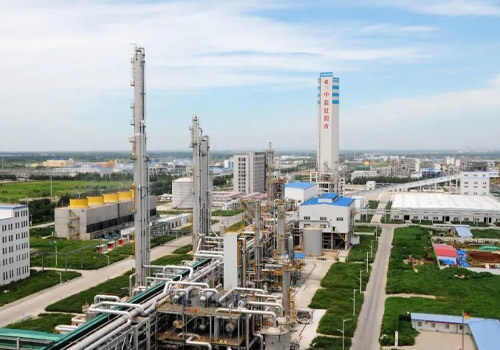
Across decades of operations, we have watched how China National Salt Industry Group evolved in a nation where salt is both a daily essential and a base material for a huge range of chemical processes. China’s approach towards salt goes much further than just food use. A massive portfolio under CNSIG includes industrial applications, ranging from chlor-alkali production to pharmaceuticals and water treatment. Their influence stretches through the value chain, shaping pricing trends, technological priorities, and logistics throughout Asia. Sourcing salt raw materials or downstream products in China always involves navigating CNSIG’s footprint. Their investment in mining, refining, packaging, and logistics presents a scale that sets standards for others in the field. Years back, salt was dominated by smaller regional outfits. Centralizing with a company like CNSIG made quality, pricing, and traceability more consistent for domestic and global buyers. In chemical manufacturing, predictable raw material supply accounts for everything. We have learned to build our forecasts and laboratory planning around shifts in CNSIG’s operational calendar, maintenance shutdowns, or their decisions to reprioritize allocations between edible and industrial demand. Where food and pharma grade salt is concerned, CNSIG’s laboratory controls and national supply network give China a real edge. Regulatory bodies have pushed for better traceability, and this remains very clear in CNSIG’s process audits. We saw this first-hand in collaborations and inspections where digital batch codes and detailed certificates matched every drum or bag from the mine to the end user. For chemical manufacturing, unplanned deviations in salt purity – even trace levels of magnesium or calcium – can disrupt entire processes. CNSIG’s Nacl specifications mean batch variability gets minimized. Our electrolytic reactors and synthetic pathways benefit from this steady profile. As the group expands its capacity for specialty salts, such as those tailored for reagent or electronic applications, their ongoing R&D investments become important not only for their own supply chains, but for domestic manufacturers of everything from polymers to battery materials. Fraud was always a problem in the past, both in counterfeiting and substitution. Now, digital controls and tight logistics through CNSIG’s oversight make these risks much less likely. Salt rarely attracts headlines, but its role in industrial chemistry affects everything from textiles to glass. CNSIG’s grip on upstream resources and rail networks means they can move industrial-grade volume more reliably than countless independent outfits ever could. Most notable is their ability to coordinate with chemical parks and downstream processing sectors. During COVID-19 disruptions, other raw materials became difficult to source on time, but salt deliveries rarely stopped inside China. And from a manufacturer’s viewpoint, salt cost stability should not be underestimated. It limits volatility in everything from PVC production to the chlor-alkali process, making forecasting more reliable for companies relying on monthly or quarterly contractual commitments. International buyers, especially ones who import caustic soda or soda ash derivatives, pay close attention to CNSIG policy and pricing moves, because domestic allocations always influence global markets and negotiations down the production chain. Sometimes international customers ask about alternative sources. Few can match the logistical backbone or reserves CNSIG holds, and price differences often reflect this. Most manufacturers have adapted their operations alongside CNSIG’s expansion and its regulatory framework, but challenges remain. Environmental standards are much higher than they were two decades ago. China’s government and CNSIG routinely close or upgrade old brine and pan operations, which has forced manufacturers to adapt processing methods for higher brine costs or alternative feedstocks. We needed to invest in refining columns and filtration upgrades to meet new purity targets when older saltworks went offline for remediation or conversion to ecological tourism. The cost and complexity of transforming traditional salt extraction into closed-loop “green” production is substantial. CNSIG spends heavily on these upgrades, but so must every supplier handling downstream production. Energy use for drying and crystallization remains a hot topic, too. Chinese production costs for industrial salt used to be the lowest worldwide. Stricter emissions standards and power prices have cut margins, driving innovation. In our own workshops, we see more focus on membrane processes and solar evaporation, but these improvements take substantial time and capital. CNSIG’s ability to absorb costs and spread investments across its entire system is not something smaller suppliers can replicate, so the whole industrial landscape ends up transforming at their pace. Few sectors feel as unglamorous as salt manufacturing, yet the fundamentals remain critical. Current CNSIG investments focus on automation, digital inventory systems, and scenario planning technologies that help synchronize operations from inland mines to port warehouses. In our chemical lines, these digital adoption efforts mean inventory is tracked, contamination incidents are isolated quickly, and customized particle sizes can be promised contractually. On top of legacy business, specialty demands keep rising: high-purity salt for semiconductor etchants, specific additives for food preservation, or tailored materials for water softeners in booming East Asian cities. With CNSIG leading, innovation is pushed through both company and regulatory pressure. Their outreach brings in technical training, joint research projects, and piloting of high-efficiency crystallization or brine recycling systems. Several labs have shifted attention to byproduct valorization—recovering minerals from waste salt or developing new blends for niche applications. From our vantage in the industry, these rising standards set by CNSIG drive improvement across the sector, offering both challenge and opportunity to those keeping pace. In a world where raw material nationalism often leads to trade friction or supply uncertainty, serious engagement with CNSIG offers benefits for international chemical manufacturers too. Joint ventures can deliver secure, high-quality inputs and share the financial burden of R&D or environmental compliance. As companies like ours look to scale up local and offshore sites, the technical and logistical backbone CNSIG provides can serve as a foundation. Direct communication, shared digital traceability platforms, and collaborative responses to regulatory shifts all strengthen the reliability of downstream operations. Global competition always puts extra pressure to cut costs, but reliability now outweighs short-term savings. For any experienced player in this field, the movement of CNSIG offers clues—and incentives—for where to direct investment and what sets the bar for safe, efficient, transparent, and environmentally sound salt-based chemistry moving forward. CONTACT INFORMATIONWebsite:https://www.china-saltchem.com/Phone:+8615365186327Email:sales3@liwei-chem.com
Read MoreYour reliable partner for high-quality chemical solutions.
Get In Touch